Leaving Hawaii for Brazil: Why More Residents Are Making the Move
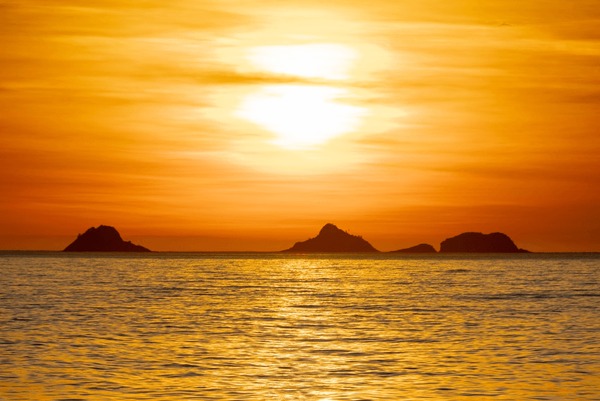
Leaving Hawaii for Brazil: Your Guide to a New Life in Florianopolis
Are you dreaming of a change of scenery, a lower cost of living, and a vibrant new culture? If you're a Hawaii resident contemplating a move, Florianopolis, Brazil, might just be the paradise you're looking for. This comprehensive guide will compare life in Hawaii to life in Florianopolis, offering research-backed insights into climate, safety, cost of living, and quality of life to help you make an informed decision.
Weather & Climate
Hawaii is renowned for its tropical climate, characterized by mild temperatures year-round, moderate humidity, and persistent northeasterly trade winds. While beautiful, Hawaii's climate also presents its challenges. The average daytime summer temperature at sea level is around 85°F (29.4°C), and the average daytime winter temperature is 78°F (25.6°C) [1]. Humidity is moderate, but can contribute to a feeling of mugginess. Extreme weather events, though infrequent, are not unknown. Hawaii's tallest peaks can experience winter blizzards, ice, and snow, and temperatures can reach into the 90s. Thunderstorms, lightning, hail, floods, hurricanes, tornadoes, and droughts have all been recorded, though they are less frequent and severe than in continental regions [1]. The highest temperature ever recorded in Hawaii was 100°F in Pahala in 1931 [1].
In contrast, Florianopolis, located in the state of Santa Catarina in southern Brazil, boasts a mild subtropical climate. The city experiences very mild winters (June to September) and hot summers (December to March), with no distinct dry season. The average annual temperature is a comfortable 71.2°F (21.8°C) [2]. The average temperature of the coldest month (July) is 63.3°F (17.4°C), and the warmest month (February) is 78.6°F (25.9°C) [2]. While summer can bring heat waves with highs reaching 99-100°F (37-38°C), and winter nights can drop to 41°F (5°C) or less, extreme weather events like blizzards and tornadoes are rare [2]. Rainfall is abundant, averaging 1770 millimeters (69.7 inches) per year, with more frequent rains in spring and summer [2]. Humidity in Florianopolis is consistently around 80-81% year-round [2].
Key Climate Comparison:
- Average Annual Temperature: Hawaii: ~78-85°F [1] | Florianopolis: 71.2°F [2]
- Extreme Heat: Hawaii: Can reach 90s, record 100°F [1] | Florianopolis: Can reach 99-100°F during summer heat waves [2]
- Extreme Cold: Hawaii: Winter blizzards on peaks, record 12°F [1] | Florianopolis: Winter nights can drop to 41°F [2]
- Extreme Weather Events: Hawaii: Hurricanes, tornadoes, floods, droughts, blizzards (infrequent) [1] | Florianopolis: Heat waves, occasional heavy rains/flooding, but generally no tornadoes or blizzards [2]
- Humidity: Hawaii: Moderate [1] | Florianopolis: Around 80-81% year-round [2]
Allergies & Air Quality
If you suffer from allergies, the environment you live in plays a significant role in your daily comfort. In Hawaii, allergies are primarily triggered by pollen from various trees and plants, including Koa, Ohia Lehua, Kiawe, Kukui, and grass pollen. The allergy season typically occurs in the spring and fall. The warm and humid climate allows these allergens to remain airborne for longer periods, increasing exposure. Additionally, summer brings increased humidity, leading to mold growth, and winter sees a rise in dust mite activity due due to the warm and humid conditions [3]. While specific air quality index data for Hawaii wasn't readily available in a consolidated format, the presence of these allergens suggests that for allergy sufferers, Hawaii can present year-round challenges.
Florianopolis, on the other hand, offers a different experience for allergy sufferers. Our research indicates minimal allergy burden from common allergens like tree, grass, and ragweed pollen, with current forecasts showing none for these categories [4]. The city's coastal location and ocean breezes likely contribute to its cleaner air and lower pollen counts. While specific air quality index data for Florianopolis was not directly available from the initial search, the general indication is a minimal allergy burden, suggesting a potentially better environment for those with respiratory sensitivities compared to Hawaii.
Gun Violence & Safety
Safety is a paramount concern when considering a new home. Let's examine the data for both Hawaii and Florianopolis.
Hawaii, despite its generally peaceful image, has seen an increase in gun violence. In 2023, the gun-related death rate in Hawaii was 4.9 per 100,000 people [5]. While this was the 4th lowest gun death rate in the country, it represents an 81% increase from 2014 to 2023 [5]. In Honolulu County specifically, the gun-related death rate in 2024 was 3.0 per 100,000 people [6].
Florianopolis, and the state of Santa Catarina, offer a contrasting picture. Santa Catarina state has a homicide rate of 7.0 per 100,000 [7]. However, Florianopolis itself boasts a lower crime index of 45.96 and a safety scale of 54.04 (as of February 2026) [8]. Importantly, Santa Catarina and Florianopolis are recognized for having some of the lowest crime rates in Brazil, with a homicide rate of approximately 8.9 per 100,000 [9]. This suggests a relatively safer environment compared to many urban centers, both within Brazil and internationally.
Key Safety Comparison:
- Hawaii Gun Death Rate: 4.9 per 100,000 (2023) [5]
- Santa Catarina Homicide Rate: 7.0 per 100,000 [7]
- Florianopolis Crime Index: 45.96 (Feb 2026) [8]
- Florianopolis Safety Scale: 54.04 (Feb 2026) [8]
Cost of Living
One of the most significant factors influencing a relocation decision is the cost of living. Hawaii is notoriously expensive, consistently ranking among the highest in the United States. The overall cost of living index in Hawaii is 191.8, significantly higher than the national average of 100 [10].
Let's break down some key expenses in Hawaii:
- Average Rent (1-Bedroom Apartment): You can expect to pay around $1,830 to $2,400 per month for a one-bedroom apartment, with Honolulu averaging $2,400 [11, 12].
- Groceries: Hawaii has the highest grocery costs in the nation, with a grocery index of 133.5 [10]. A single person might spend $500-$700 per month on groceries, while a family of four could easily spend $1,500 or more [13]. Households in Hawaii spend an average of $157 per week on groceries [14].
- Healthcare: The average annual healthcare cost for an individual in Hawaii is around $9,107 [15]. For a 30-year-old, the average Bronze premium in the individual market is $372 per month [16].
Now, let's look at Florianopolis, where the financial landscape is considerably different. Florianopolis is significantly more affordable, with an estimated monthly cost for a single person (excluding rent) at $602.9 [17].
Here's a look at the cost of living in Florianopolis:
- Average Rent (1-Bedroom Apartment): The average monthly rent for a 1-bedroom apartment in Florianopolis is around R$ 3,100 (approximately $620 USD) [18]. Some sources indicate a range from $369 to $525 for a 1-bedroom apartment [19, 20].
- Groceries: Monthly food and grocery expenses for a single person can be around $250 [21]. While specific grocery item prices vary, they are generally much lower than in Hawaii [22].
- Healthcare: Brazil offers both public and private healthcare options. A doctor's visit at a private clinic in Florianopolis costs $30 to $80 out of pocket, significantly less than in the US without insurance [23]. A good health plan for two adults in their 30s and a child under 10 can be around R$2000 (approximately $400 USD) per month [24].
- Overall Living for a Couple: A couple can live comfortably in Florianopolis on $2,000-$2,500/month, including rent [25]. The average yearly cost of living for a couple is estimated at $26,061.60 [21]. Florianopolis is also 49.0% less expensive than Austin, Texas (excluding rent) [17].
Key Cost of Living Comparison:
- Overall Cost of Living Index: Hawaii: 191.8 [10] | Florianopolis: Significantly lower, 49.0% less expensive than Austin (excluding rent) [17]
- 1-Bedroom Rent: Hawaii: $1,830 - $2,400 [11, 12] | Florianopolis: $369 - $620 [18, 19, 20]
- Monthly Groceries (Single Person): Hawaii: $500-$700 [13] | Florianopolis: ~$250 [21]
- Annual Healthcare (Individual): Hawaii: ~$9,107 [15] | Florianopolis: Doctor's visit $30-$80, private health plan for a couple + child ~$400/month [23, 24]
Quality of Life
Beyond the numbers, quality of life encompasses a wide range of factors that contribute to overall happiness and well-being. This includes everything from daily stress levels and commute times to healthcare access, outdoor activities, and the quality of food.
Hawaii consistently ranks high in terms of overall well-being, often leading the U.S. in metrics like life satisfaction, low mental distress, and strong social connectedness [26]. The state's natural beauty and emphasis on outdoor living contribute significantly to this. However, the high cost of living can be a major source of stress for residents, impacting access to adequate housing, healthcare, and nutritious food [27]. Commute times, especially in urban centers like Honolulu, can also be a point of frustration, though specific average commute times were not immediately available in the research. Healthcare access is generally good, but the cost can be a barrier for some. The outdoor lifestyle is a huge draw, with abundant opportunities for surfing, hiking, and enjoying nature. Food quality is generally high, with access to fresh produce and seafood, though prices are significantly higher than the mainland U.S. [13].
Florianopolis offers a compelling quality of life, often cited as one of Brazil's best cities to live in. It boasts a moderate safety index and a high healthcare index [28]. The city is known for its beautiful beaches, lush greenery, and a relaxed pace of life, which contributes to lower stress levels compared to larger metropolitan areas. While public transport is reliable, it can be crowded during rush hours, and average travel times are around 45 minutes for a 13.54 km distance [29, 30]. Healthcare access is excellent, with both public and private options available. The public system is free for all residents, including foreigners, and private clinics offer affordable care [31, 32]. The outdoor lifestyle is a major highlight, with numerous beaches, lagoons, and trails for activities like surfing, hiking, and stand-up paddleboarding. Food quality is exceptional, with an abundance of fresh seafood, fruits, and vegetables, often at much lower prices than in Hawaii [33].
Key Quality of Life Comparison:
- Overall Well-being: Hawaii: Ranks #1 in U.S. for overall well-being [26] | Florianopolis: Often cited as one of Brazil's best cities to live in, with a relaxed pace of life [28]
- Stress Levels: Hawaii: High cost of living can be a major stressor [27] | Florianopolis: Lower stress levels due to relaxed pace and lower cost of living
- Commute Times: Hawaii: Can be frustrating in urban centers | Florianopolis: Average travel time ~45 minutes for 13.54 km [29]
- Healthcare Access: Hawaii: Generally good, but cost can be a barrier | Florianopolis: Excellent, with free public options and affordable private care [31, 32]
- Outdoor Lifestyle: Hawaii: Abundant opportunities for surfing, hiking, nature [27] | Florianopolis: Major highlight with beaches, lagoons, trails for various activities
- Food Quality: Hawaii: High quality, but expensive [13] | Florianopolis: Exceptional, fresh seafood, fruits, vegetables at lower prices [33]
Who Should Consider This Move
Considering a move from the familiar shores of Hawaii to the vibrant, yet different, landscape of Florianopolis is a significant decision. Based on the comparisons above, certain individuals and families would find Florianopolis particularly appealing:
- Retirees: For retirees on a fixed income, the significantly lower cost of living in Florianopolis, especially for housing, groceries, and healthcare, makes it an attractive option. You can enjoy a high quality of life, beautiful beaches, and a relaxed pace without the financial strain often experienced in Hawaii.
- Remote Workers/Digital Nomads: If your work allows you to be location-independent, Florianopolis offers an ideal environment. The lower cost of living means your income stretches further, and the city provides a stimulating environment with a growing expat community and excellent outdoor activities. The reliable internet infrastructure supports remote work effectively.
- Families Seeking Affordability and Quality of Life: Families looking for a more affordable place to raise children without sacrificing quality of life will find Florianopolis appealing. The access to good healthcare, a safe environment, and abundant outdoor activities contribute to a well-rounded upbringing. The emphasis on fresh food and a less stressful lifestyle can also be highly beneficial.
- Individuals Seeking a Lower Stress Environment: While Hawaii offers a high quality of life, the financial pressures can be immense. Florianopolis provides a similar tropical, outdoor-oriented lifestyle with significantly less financial burden, leading to a potentially lower-stress daily existence.
- Allergy Sufferers: For those who struggle with allergies in Hawaii, the minimal pollen counts and ocean-breeze-cleansed air of Florianopolis could offer significant relief and an improved quality of life.
Ultimately, the decision to move is deeply personal. However, if you are a Hawaii resident seeking a more affordable, yet equally beautiful and fulfilling, life experience, Florianopolis, Brazil, presents a compelling alternative worth exploring.
References
- Climate of Hawai`i - Weather.gov
- Florianópolis climate: seasons, when to go, monthly averages - Climates to travel
- Allergy Season In Hawaii: Allergens By Region + Symptoms & Treatment - Allermi
- Pollen count and allergy info for Florianópolis, Santa Catarina, Brazil - The Weather Channel | weather.com
- State Data: Hawaii | Center for Gun Violence Solutions
- How many people die from gun-related injuries in Hawaii - USAFacts
- List of Brazilian states by murder rate - Wikipedia
- Crime Comparison Between Florianopolis, Brazil And Los Angeles, CA - Numbeo
- Brazil Country Security Report - OSAC
- Cost of Living in Hawaii 2024 | Affording Paradise - Dwell Hawaii
- Average Rent in Hawaii - Latest Rent Prices by City - Apartments.com
- Average Rental Price in Honolulu, HI - Zillow
- Cost of Groceries in Hawaii: What Newcomers Really Need to Know - Living in Hawaii
- Mapped: Average Weekly Grocery Bill Cost, by U.S. State - Visual Capitalist
- Cost of Living in Hawaii - SoFi
- Hawaii Health Insurance Costs & HRA Strategy Guide - Salusion
- Cost of Living in Florianopolis - Numbeo
- Exact Rents in Florianópolis (2026) - The Latinvestor
- Cost of Living in Florianopolis: rent, food, transport - Brazil - LivingCost.org
- 1 Bedroom Apartments for Rent in Florianopolis, Santa Catarina - FazWaz
- Cost of Living in Florianopolis, Santa Catarina, Brazil in 2026 - Living Cost Index
- Cost of Living in Florianopolis. Updated Prices Mar 2026. - Expatistan
- Healthcare in Brazil vs the US: What Americans Pay (And Why It's a Good Deal) - Move to Brazil
- Cost of Health Insurance in Brazil - Reddit
- Cost of Living in Florianópolis, Brazil | SnapCostOfLiving
- Hawaiʻi ranks #1 in U.S. for overall well-being - KHON2
- Quality of Life in Hawaiʻi: 2024 Update - Hawaii.gov
- Quality of Life in Florianopolis, Brazil - Numbeo
- Traffic in Florianopolis, Brazil - Numbeo
- Buses and Public Transport in Florianopolis - Aventura do Brasil
- Healthcare in Florianópolis | CareThere Guide for Expats & Digital Nomads - CareThere
- Brazil | International Health Care System Profiles - Commonwealth Fund
- The Full Digital Nomad Guide to Florianópolis - Digital Nomads World